
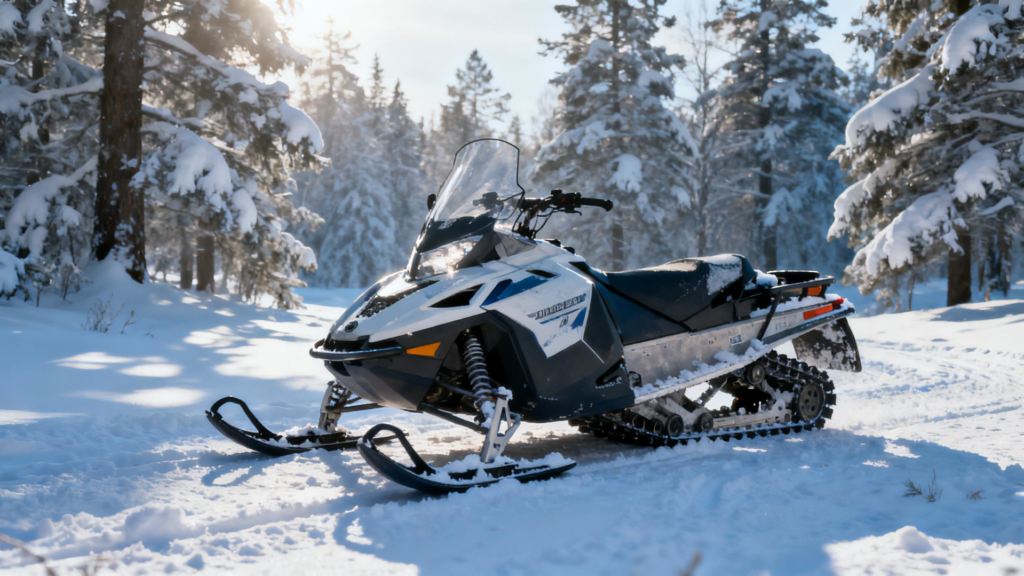
Most people think about snowmobile insurance right before they head out for the season. The sled is tuned, the trailer is ready, and the group chat is already planning the first trip. It feels like a hobby, until something goes wrong and it suddenly looks like a liability problem, a medical bill problem, or a “how am I paying for this repair” problem.
That is why snowmobile insurance matters. Not because you expect to crash, but because snowmobiles live in the real world. Trails get crowded. Visibility changes fast. The weather turns. Machines break. And even a low speed incident can turn into expensive damage.
A good policy is not just about the trail ride itself. It is about protecting the machine, your finances, and the people around you.
Why Snowmobile Insurance Is Not Just A Box To Check
If you own a snowmobile, you are dealing with risk in a few different places at once.
There is the obvious one: the sled. If it is damaged or stolen, replacing it is not cheap. Then there is liability. If you injure someone or damage someone else’s property, costs can get serious quickly. And there is also the travel side. Many sleds get hauled, stored, and parked in different locations, which creates exposure even when you are not riding.
This is where people get surprised. They assume risk only exists on the trail. In reality, problems can happen in the driveway, at a gas stop, while unloading, or while it is sitting in storage.
Snowmobile insurance is meant to cover more than the moment you are riding. It is meant to protect you across the whole season.
What Snowmobile Insurance Typically Helps With
Instead of thinking in policy jargon, think in real scenarios.
If your snowmobile is damaged in an accident, you want coverage that helps with repair or replacement. If it is stolen from a trailer or storage area, you want protection there too. If you collide with someone or cause property damage, liability coverage becomes the big one, because that is where expenses can jump fast.
Some riders also underestimate medical and injury related costs. Accidents can involve passengers and other riders, not just the owner. Even when everyone is mostly okay, the downstream costs can be annoying and expensive.
The details depend on the policy structure, but the purpose stays the same. Snowmobile insurance is there to keep a bad day from turning into a financial mess.
Why Liability Is The Part Riders Underestimate
A lot of riders focus on the sled’s value. That makes sense because it is tangible.
But liability is often the bigger risk. If you hit someone, damage a fence, or cause an incident that leads to injury, you are dealing with claims that can go far beyond the cost of the machine. This is also the part that can follow you long after the season ends.
If you ride in groups, ride on shared trails, or ride near property lines, liability protection matters even more. It is not about being reckless. It is about accepting that accidents happen, even to careful people.
Theft And Storage: The Quiet Risk In The Off Season
Another area people do not think about enough is theft and storage.
Snowmobiles sit for months. They get stored in garages, barns, sheds, lots, and trailers. The off season is when many owners are least attentive. That can create a window for theft or vandalism.
If you want snowmobile insurance that covers more than the trail ride, this is one of the key questions to ask. What happens if the sled is stolen while stored. What happens if it is damaged while parked or being transported? Those are real risks, and they do not require a crash on the trail.
How To Choose Snowmobile Insurance That Fits Your Season
The right setup depends on how you actually ride.
Do you ride every weekend or only a few times a year? Do you travel to trails or stay local. Do you ride with passengers? Do you keep the snowmobile in a secured garage or in a trailer? Do you have other toys and vehicles that should be coordinated under one approach?
These details help shape the right coverage. If your snowmobile is a high value machine with upgrades, you want coverage that reflects that. If you ride often and in group environments, liability becomes a bigger focus. If you store it in places where theft is a concern, storage protection matters more.
The point is not to overbuy. The point is to match coverage to real life.
The Common Mistake: Assuming Another Policy Covers It
Some riders assume their homeowners policy covers everything. Others assume their auto policy covers anything involving a trailer. Those assumptions can create gaps.
This is where it helps to review your full situation with someone who can spot overlaps and holes. Snowmobile insurance exists because snowmobiles create unique risks that do not always fit neatly into other categories.
If you want to avoid nasty surprises, do not rely on assumptions. Confirm what is covered and what is not.
A Simple Way To Know If You Are Underinsured
Here is a quick gut check.
If your sled was stolen tomorrow, would you be fine replacing it out of pocket. If you accidentally injured someone, would you feel comfortable with the level of liability protection you have in place. If your machine was damaged in an incident that was not “a normal crash,” would you still expect coverage to respond.
If those questions make you uneasy, you are probably not set up the way you think you are.
A winter hobby should not become a financial stress test.
Making A Smart Move Before The First Ride
Snowmobile insurance works best when you set it up before the season starts, when you can think clearly and compare options without urgency. Once you are already riding, it is easy to postpone the conversation until after the weekend. Then winter is over and nothing changes.
If you want a policy that covers more than the trail ride and actually fits how you store, transport, and use your sled, it helps to start with the details in one place. You can learn more about snowmobile insurance and see what makes sense for your setup before the season gets busy.
FAQs: Snowmobile Insurance
Carefulness helps, but most problems aren’t about reckless riding. Trails get crowded, visibility changes fast, and theft can happen when the sled is parked or stored. Insurance is there for the expensive surprises, not the ones you can “avoid” with good intentions.
Liability is the part that can get big quickly. If you injure someone or damage property, the costs can go way beyond the machine. Coverage can also apply to theft, vandalism, and certain non-riding situations like transport or storage, depending on the policy.
Often, yes, but it depends on how the policy is written and where it was stored. This is one of the most important questions to ask if you keep the sled in a trailer, shed, or shared facility. Confirm it before the season starts, not after something disappears.
Assuming another policy handles it. Some people think homeowners or auto coverage automatically fills the gaps, but snowmobiles create their own set of risks. It’s worth confirming what’s covered during riding, during transport, and while it’s sitting in the off-season.